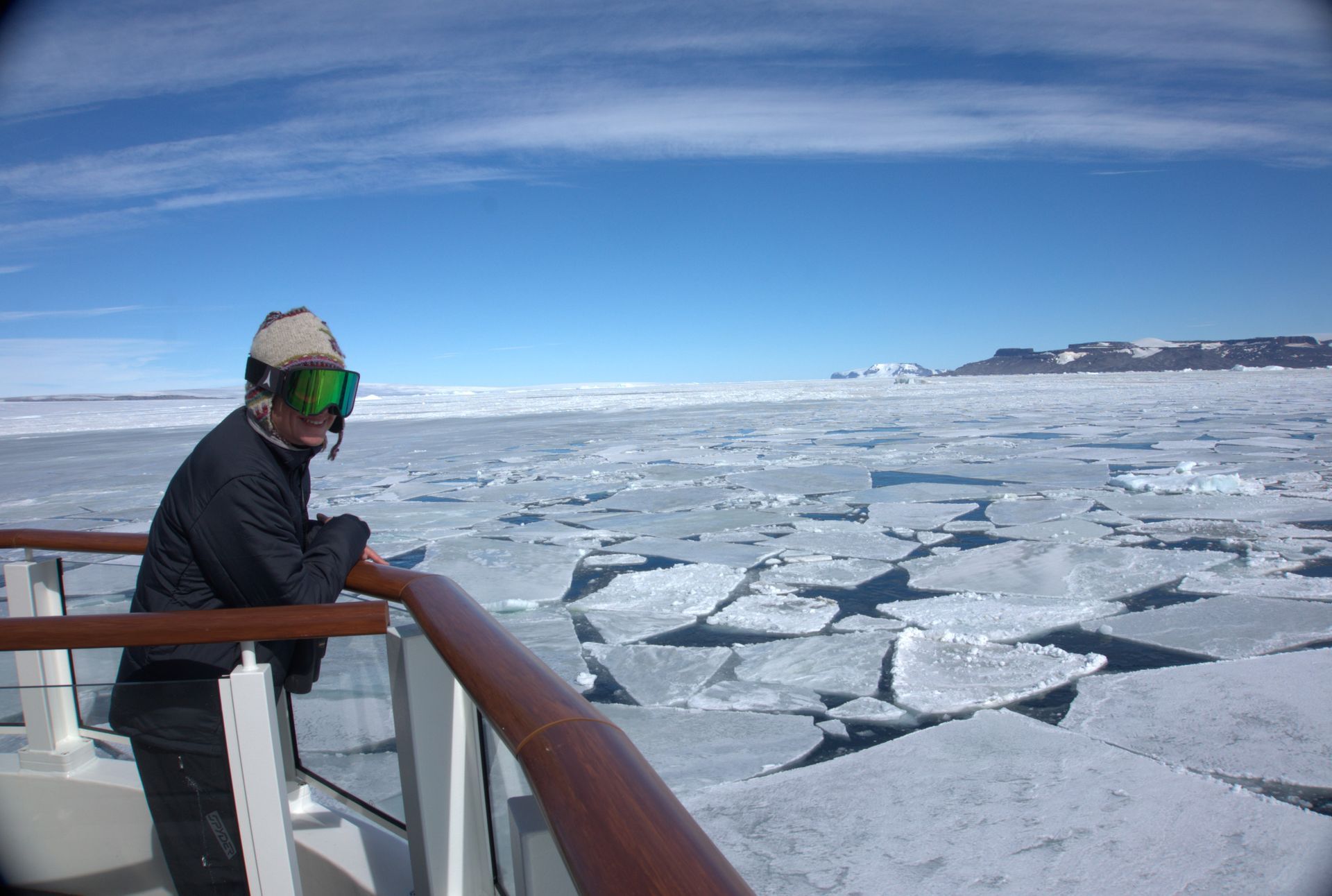
Standing on Fast Ice: Why Antarctica Changed Everything
Standing on Fast Ice: Why Antarctica Changed Everything
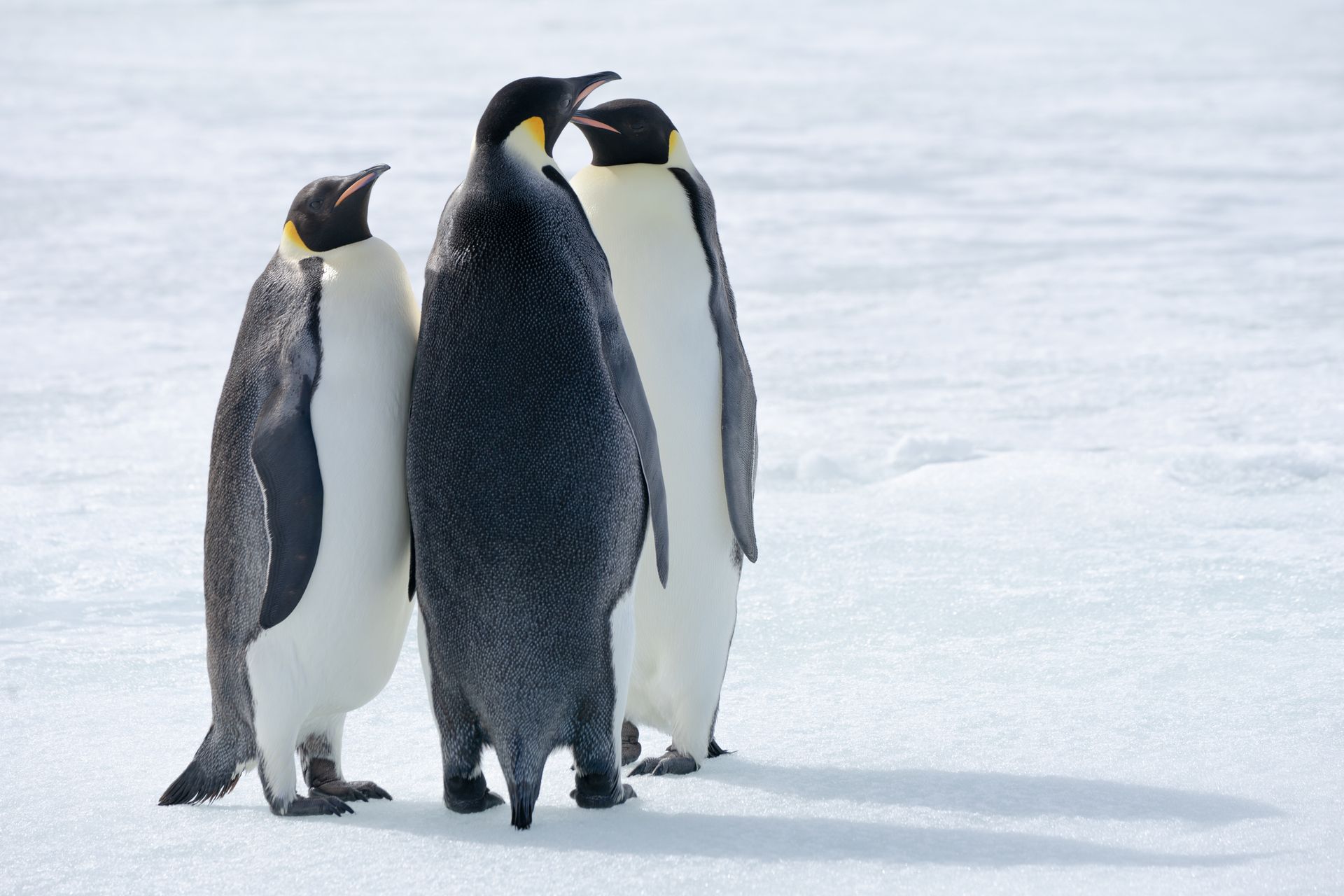
They were curious, completely unbothered by our presence, and far bigger than I had imagined. We were the ones slowly moving backward as they approached. The sounds they made with each other were incredible—almost like a song. It was one of those moments where your brain struggles to process that this is real and happening right in front of you.
That moment alone would have made the journey unforgettable.
But Antarctica had much more to give.
Dream Realized at the End of the World
I never thought I would make it to the end of the world.
Walking up the gangway in Ushuaia to board the National Geographic Endurance with Lindblad Expeditions and National Geographic, my smile probably took over my entire face. This had been a dream for years, and being able to share it with my husband Ian made it even more special.
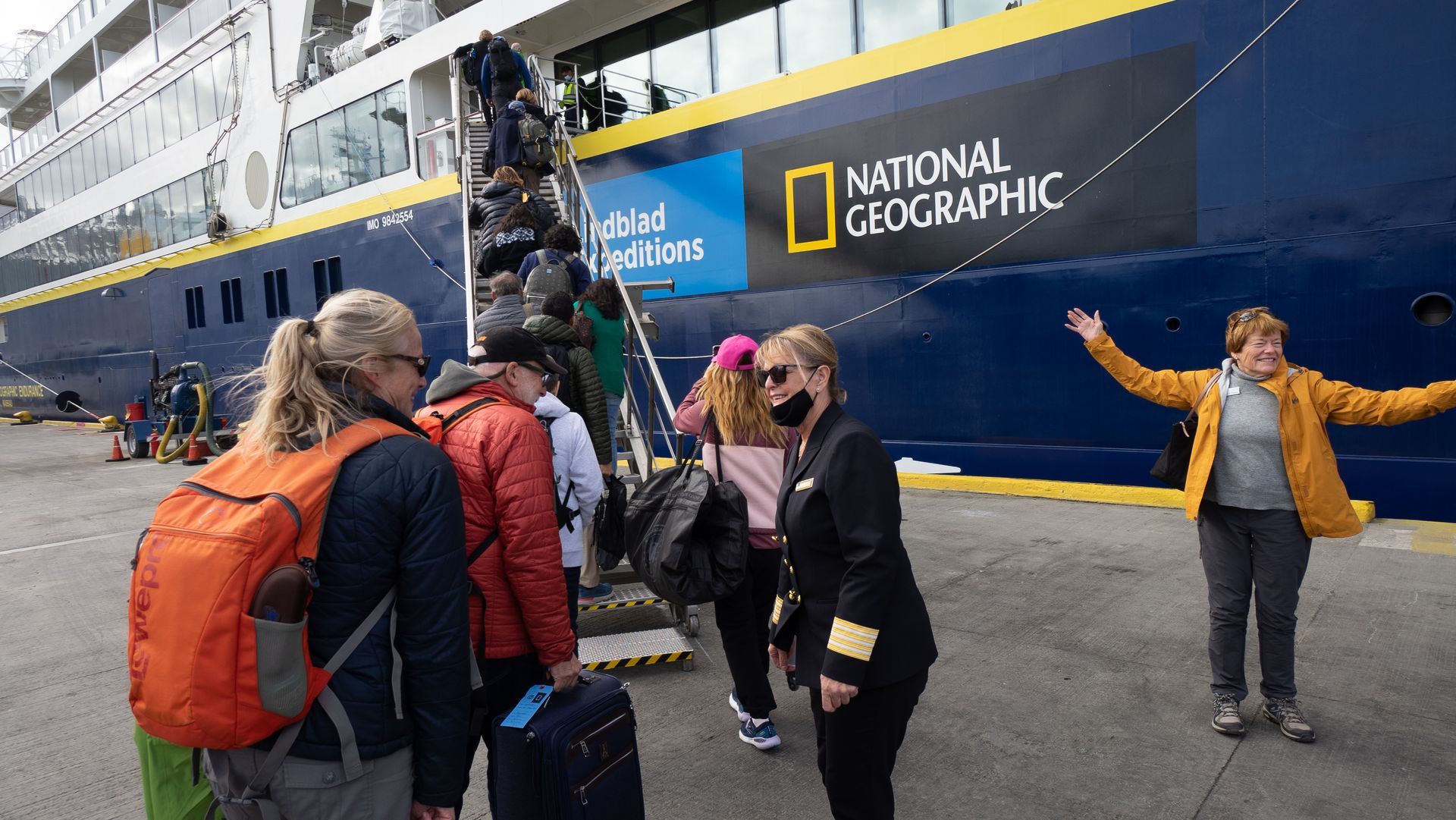
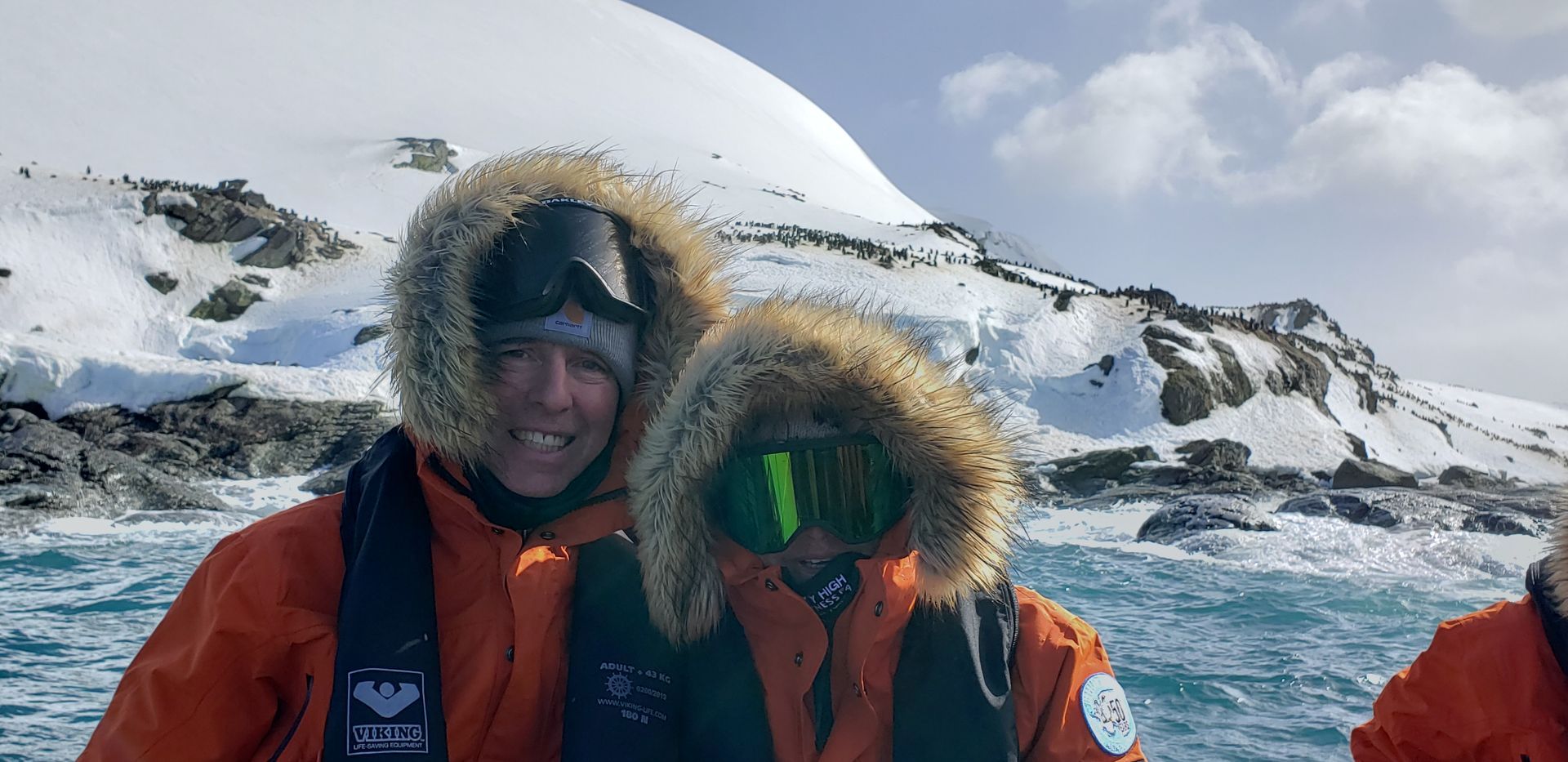
Our 23-night journey through Antarctica, South Georgia, and the Falklands was everything I had hoped for and far more.
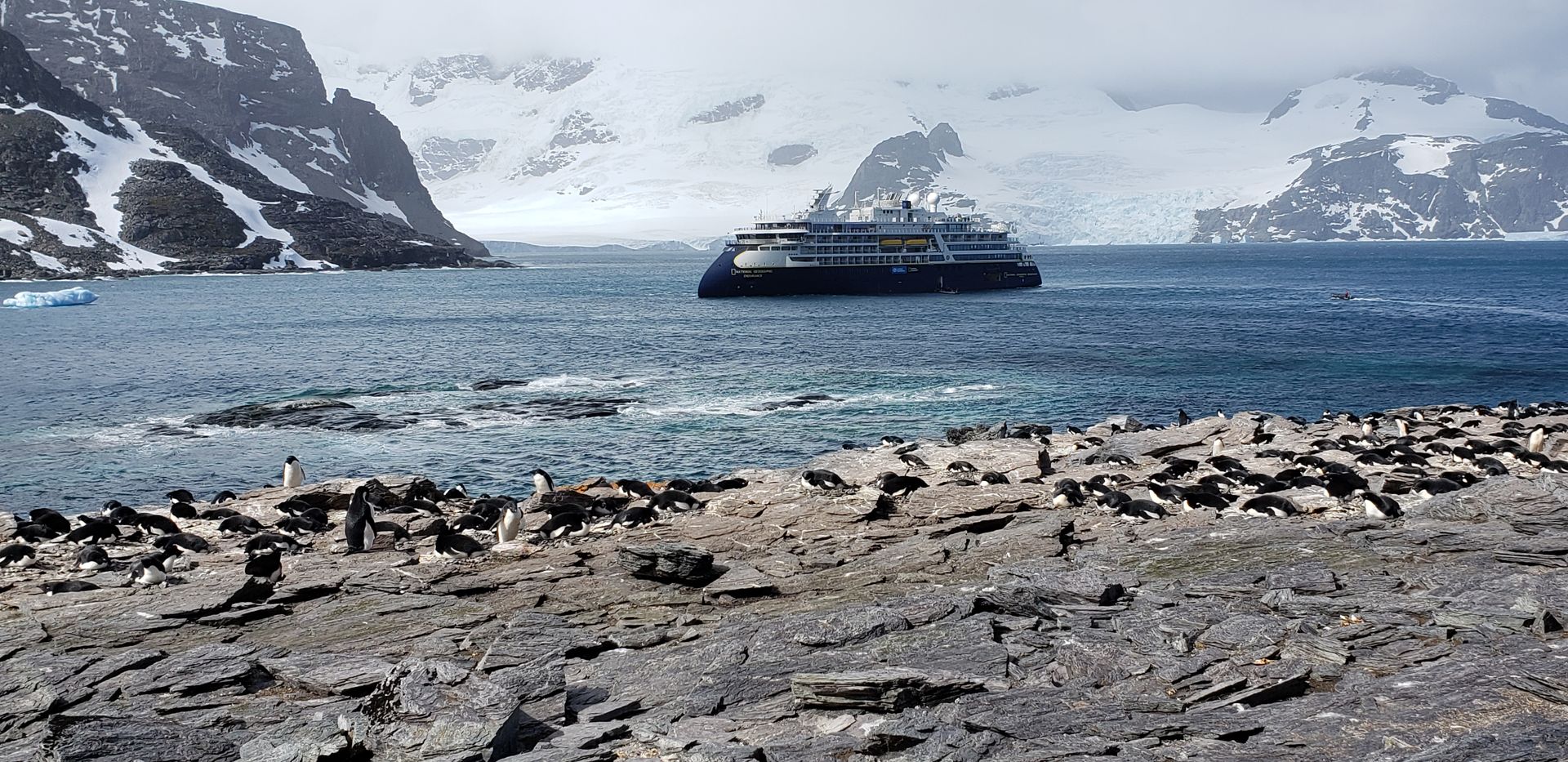
People often ask me what Antarctica is like, and the best way I can describe it is this: it is a safari on water.
Every day is different. You have no idea what is waiting for you when you wake up. A blue whale swimming right past the ship. A massive iceberg like A23a dominating the horizon. Walking among thousands upon thousands of king penguins in South Georgia while elephant seals lounge nearby, entirely unimpressed by your presence.
Every waking moment feels like an event.
Why Expedition Travel Matters
This is why the operator matters so much.
With Lindblad and National Geographic, the journey was never about simply ticking Antarctica off a list. It was about learning, understanding, and experiencing it properly.
The expedition team was exceptional—scientists, naturalists, historians, photographers, and lecturers who made every landing and every Zodiac ride richer. Every day felt like a masterclass. You weren’t just seeing wildlife; you were understanding ecosystems, migration patterns, conservation, and history.
The crew knew our names. They genuinely cared. There was a warmth onboard that made the ship feel personal rather than transactional.
At one crew entertainment evening, I even managed to get the captain up dancing. Before long, he was leading a conga line around the room.
Those are the memories you never forget.
South Georgia: The Place That Blew My Mind
As extraordinary as Antarctica was, South Georgia completely blew my mind.
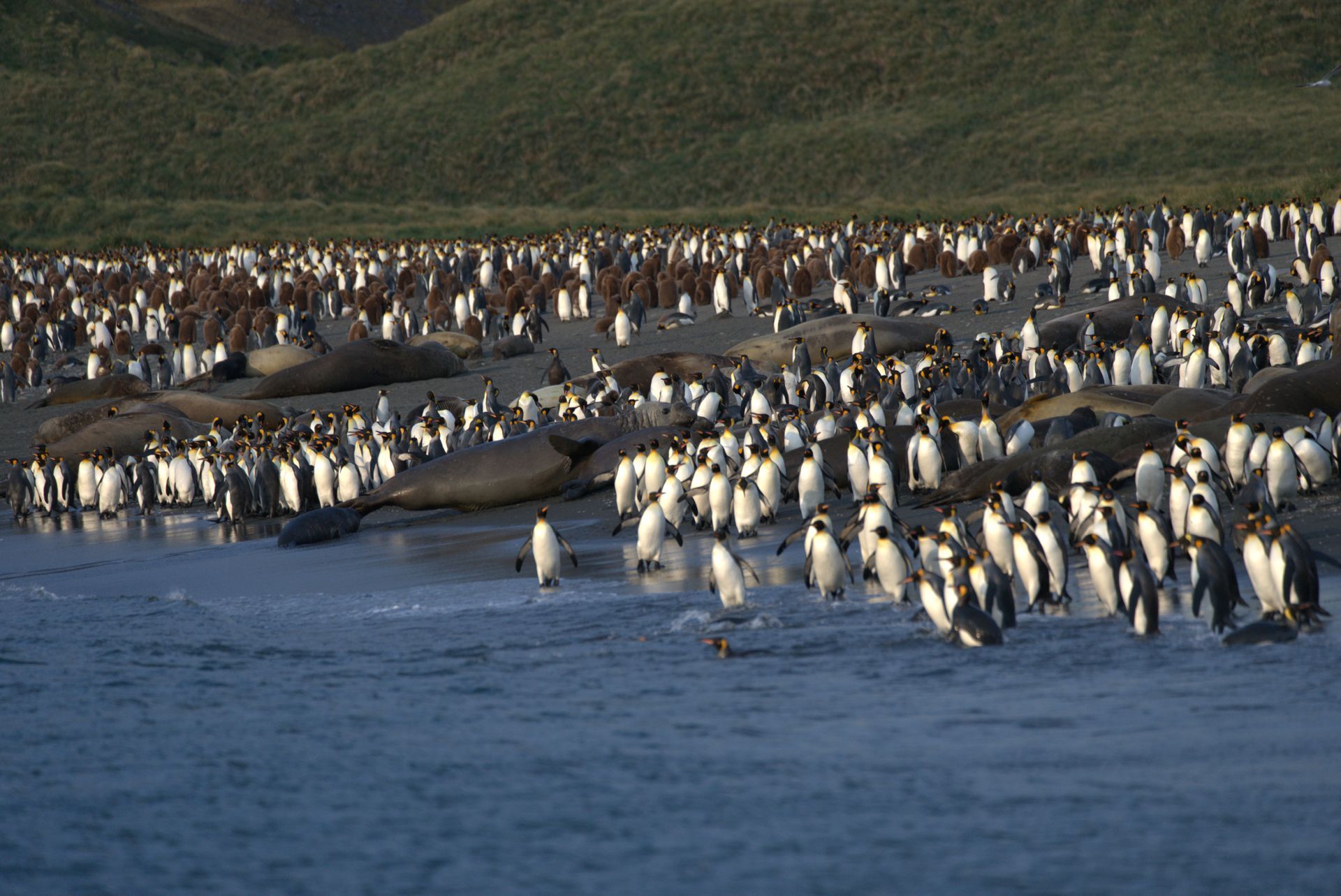
The scale of wildlife there is difficult to explain unless you’ve stood in the middle of it. The noise, the smell, the movement—thousands and thousands of penguins, elephant seals everywhere, birds overhead, nature happening all around you whether you are ready for it or not.
And the remarkable thing is—they honestly do not care about you.
You are simply another presence in their world.
That wildness, that lack of performance for tourists, is exactly what makes it so powerful.
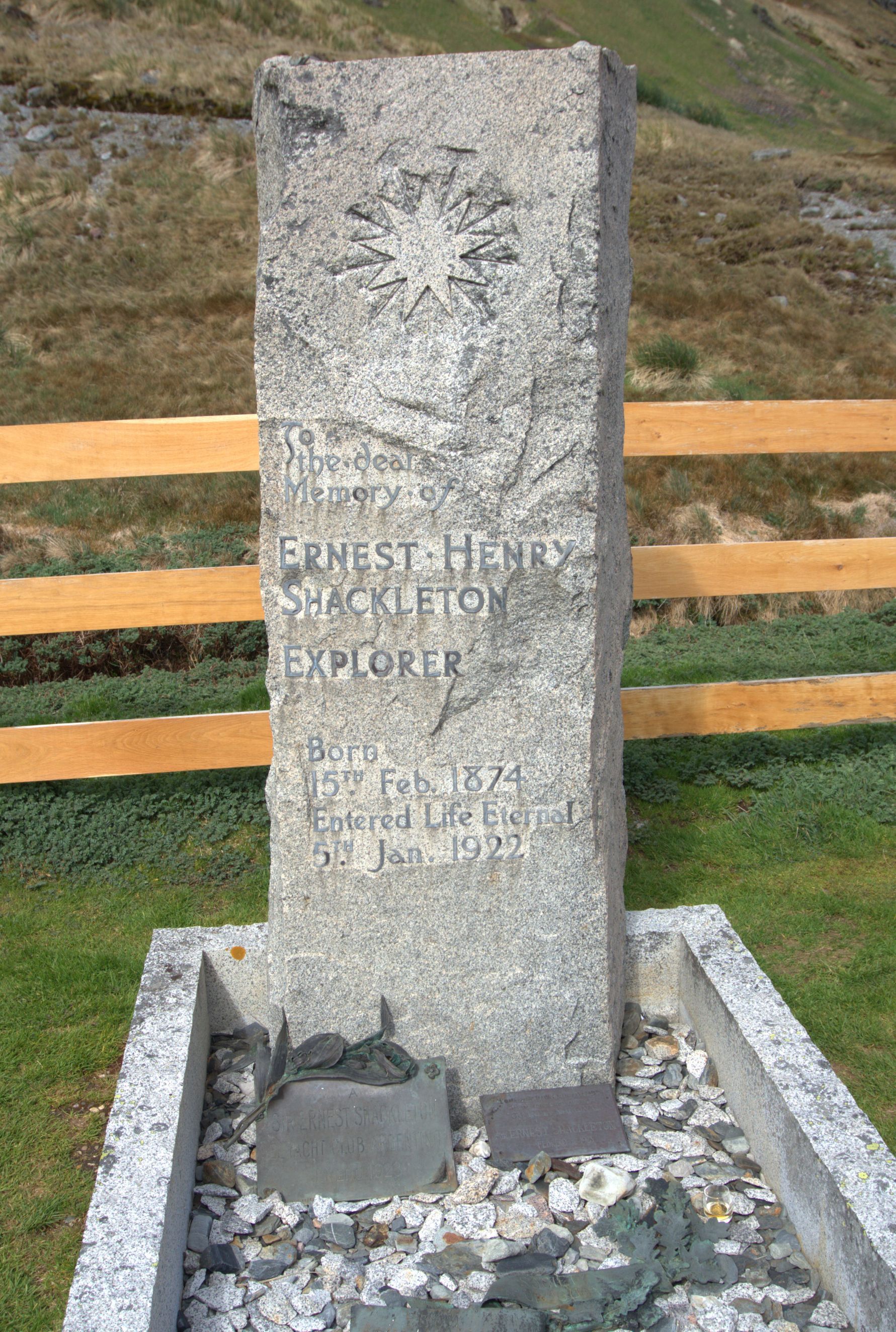
We visited Grytviken, saw Shackleton’s grave, and walked through the old whaling station—horrific, sobering, and deeply important to witness. It added another layer to the journey, reminding you that these remote places hold both extraordinary natural beauty and difficult human history.
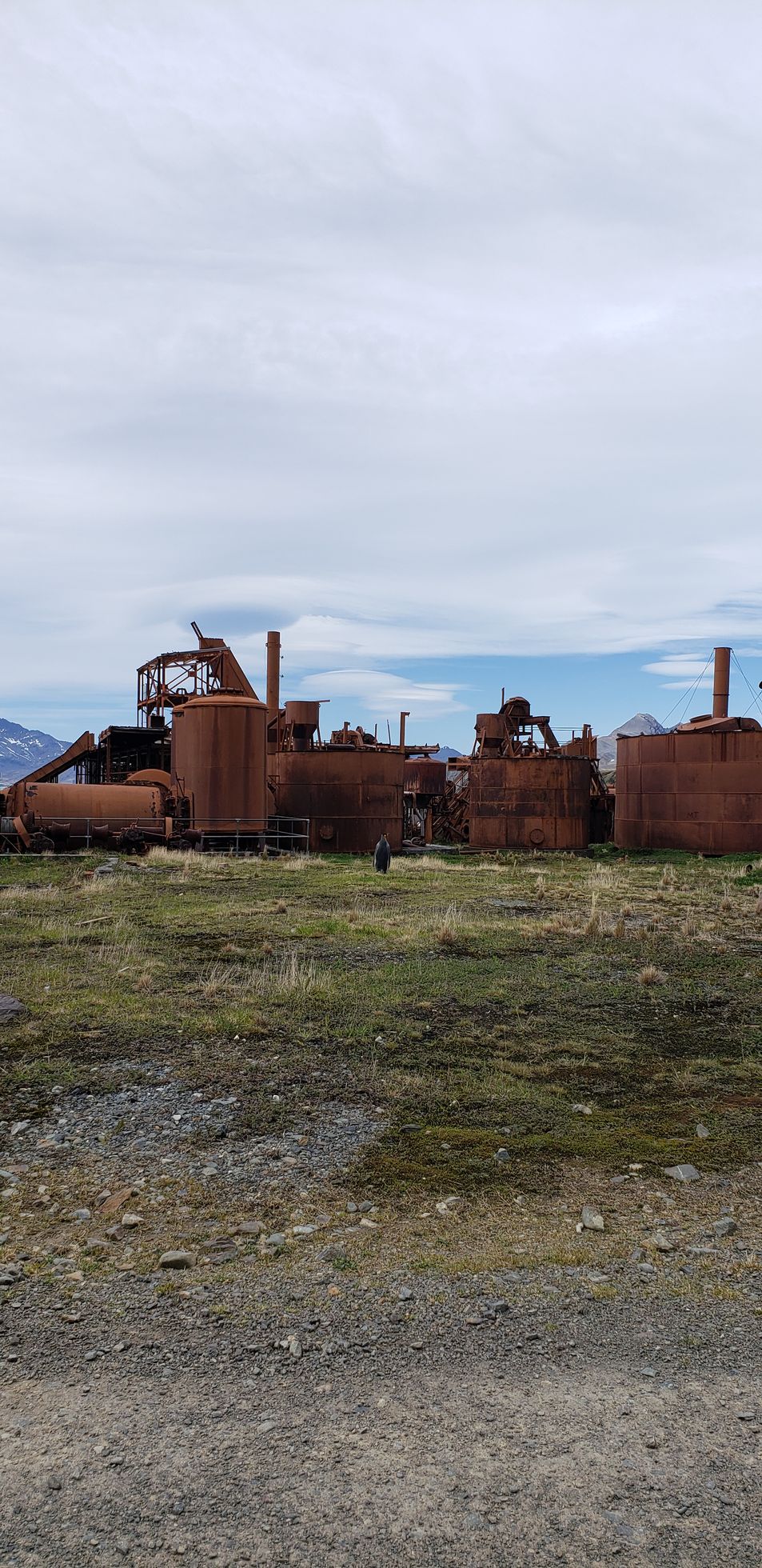
I also distinctly remember trying to save a rockhopper penguin from the skuas.
No circle of life was happening that day.
Would I Go Back?
People ask me this all the time.
Would I go back?
Yes… and no.
Yes, because Antarctica changes you. Once you have stood on the ice, heard emperor penguins calling to each other, and watched a blue whale pass by your ship, part of you will always want to return.
But also no—because our 23-night journey was so extraordinary, I almost want to protect that memory exactly as it is.
We didn’t even kayak, camp overnight, or snowshoe. And yet it was still the greatest journey Ian and I have ever taken together.
How do you top that?
If you are considering Antarctica, my advice is simple: if you can include South Georgia, do it. Antarctica alone is incredible, but the extra time rewards you in ways you cannot imagine.
Yes, you have to brave the Drake Passage. Yes, being fit helps for the hikes and landings. But there are also Zodiac cruises, deck views, and endless moments of wonder no matter how you choose to experience it.
Antarctica remains pristine, vast, and humbling.
I hope it always stays that way.
And for me, it will always be the place where I stood on the ice, watched emperor penguins walk toward me, and realized some dreams are even better than you imagined.